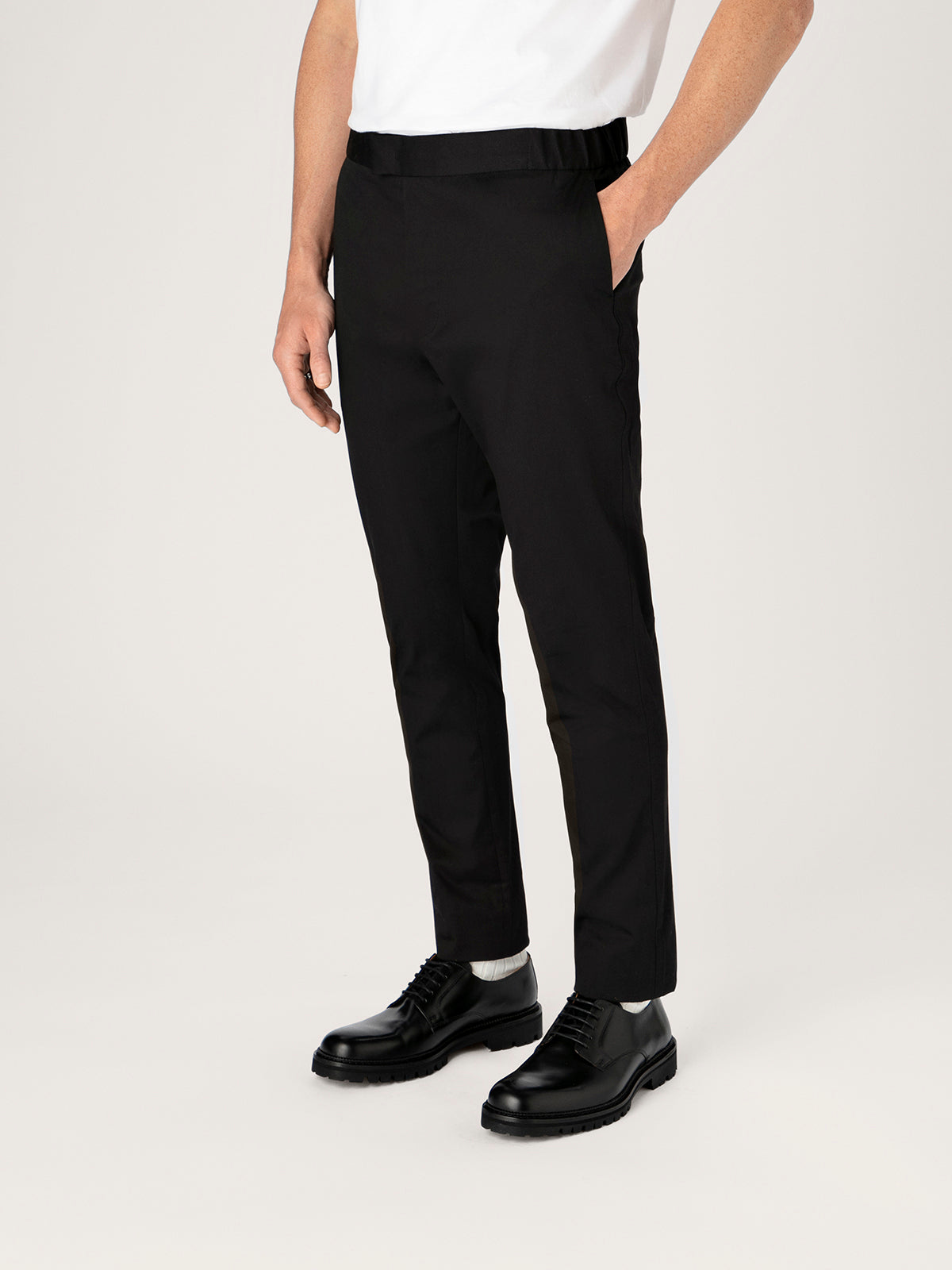
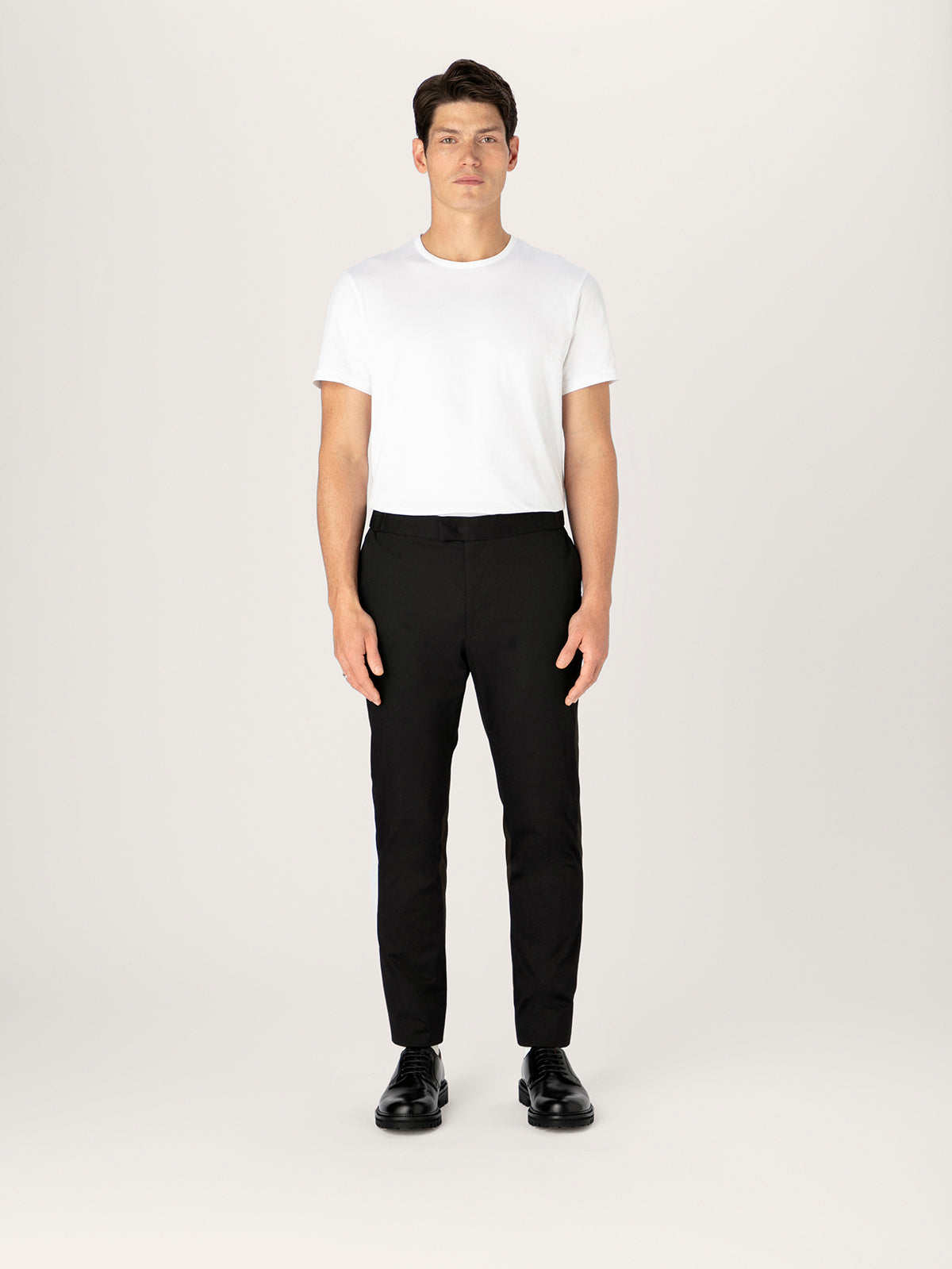
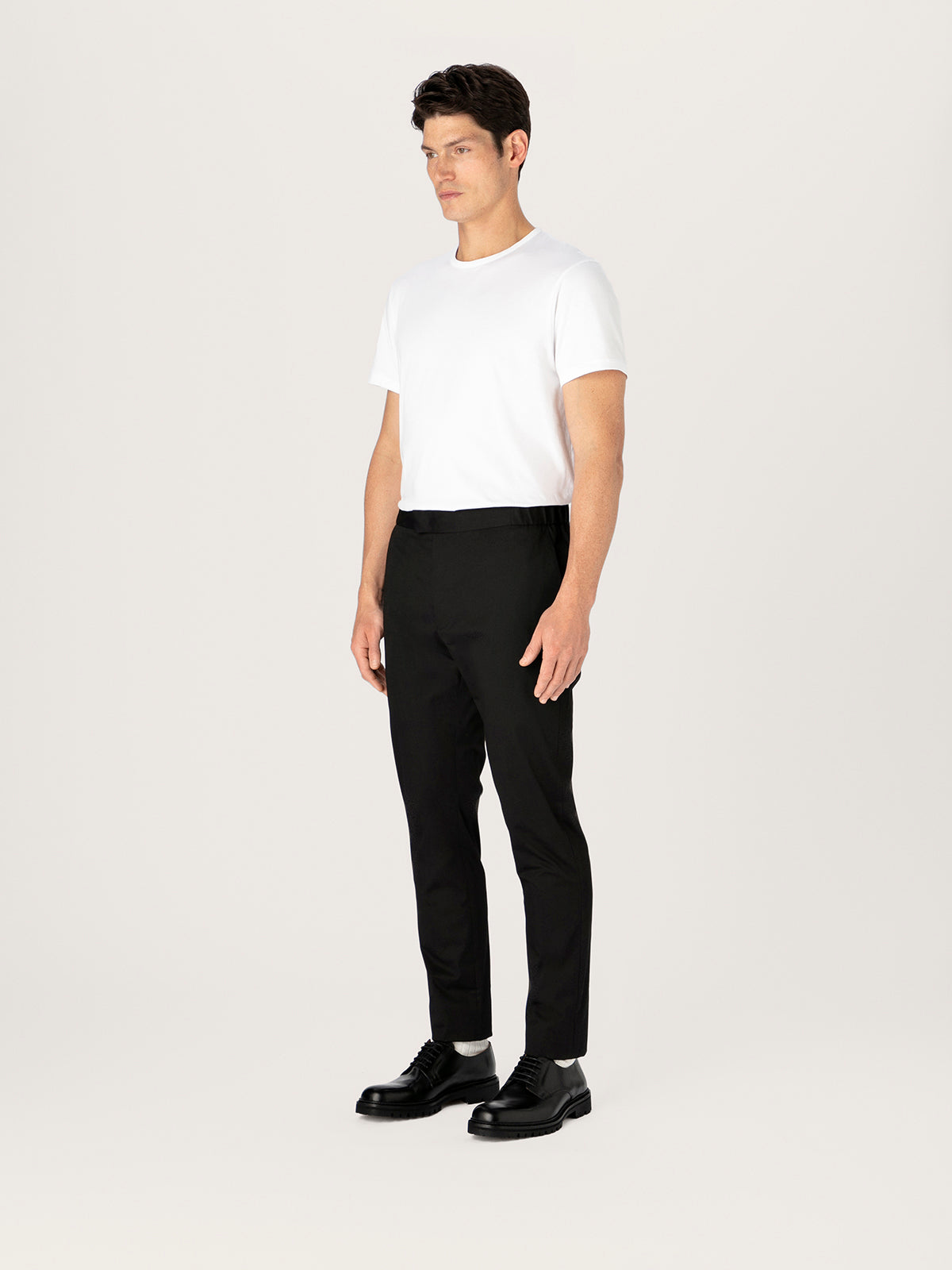
The 24 Trouser Extra Slim
£129
Fit
Our original 24 cut. Want a little more room through the calf? Try the new Slim →
Compare fit
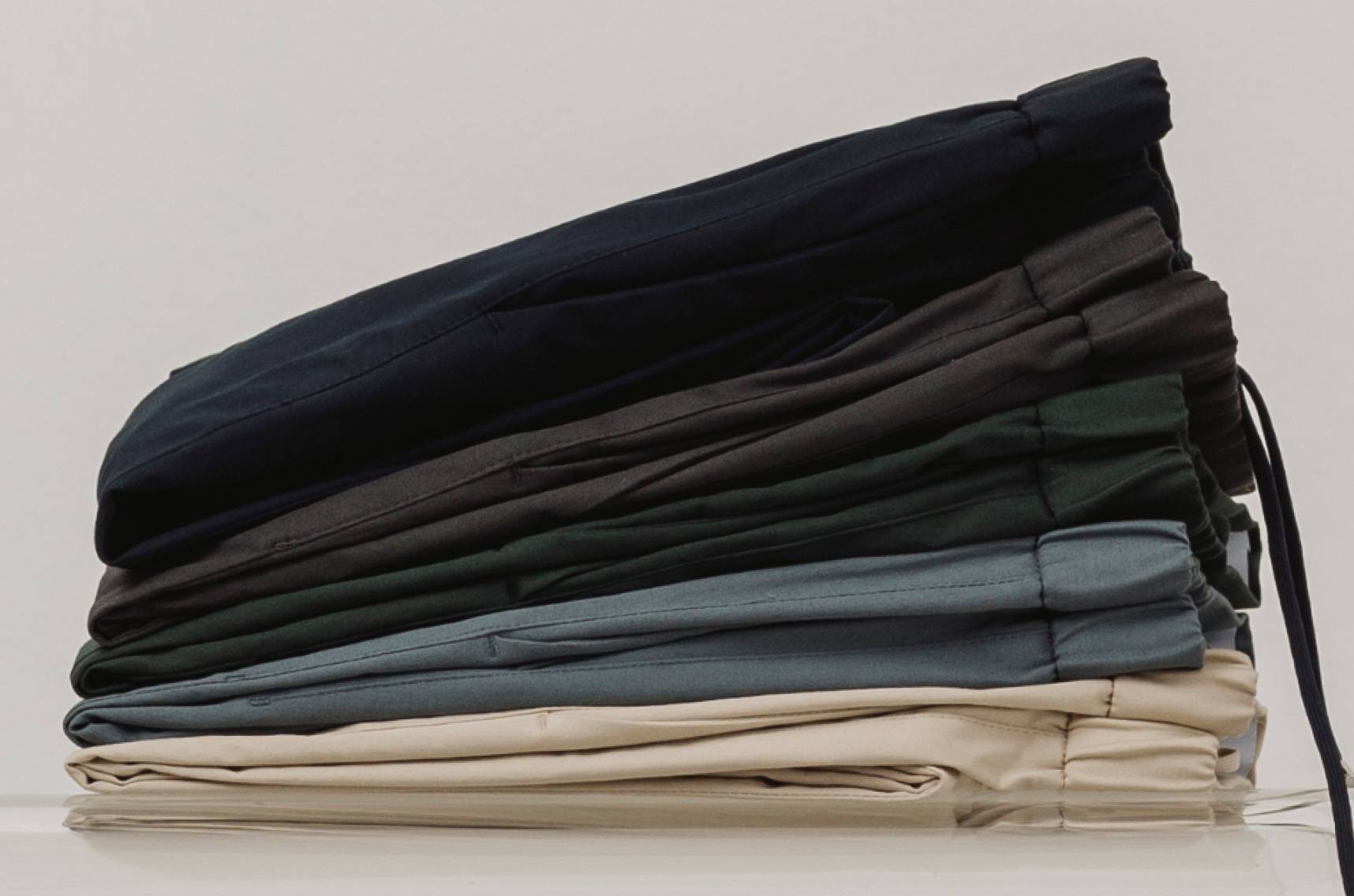
Color - Black
Limited
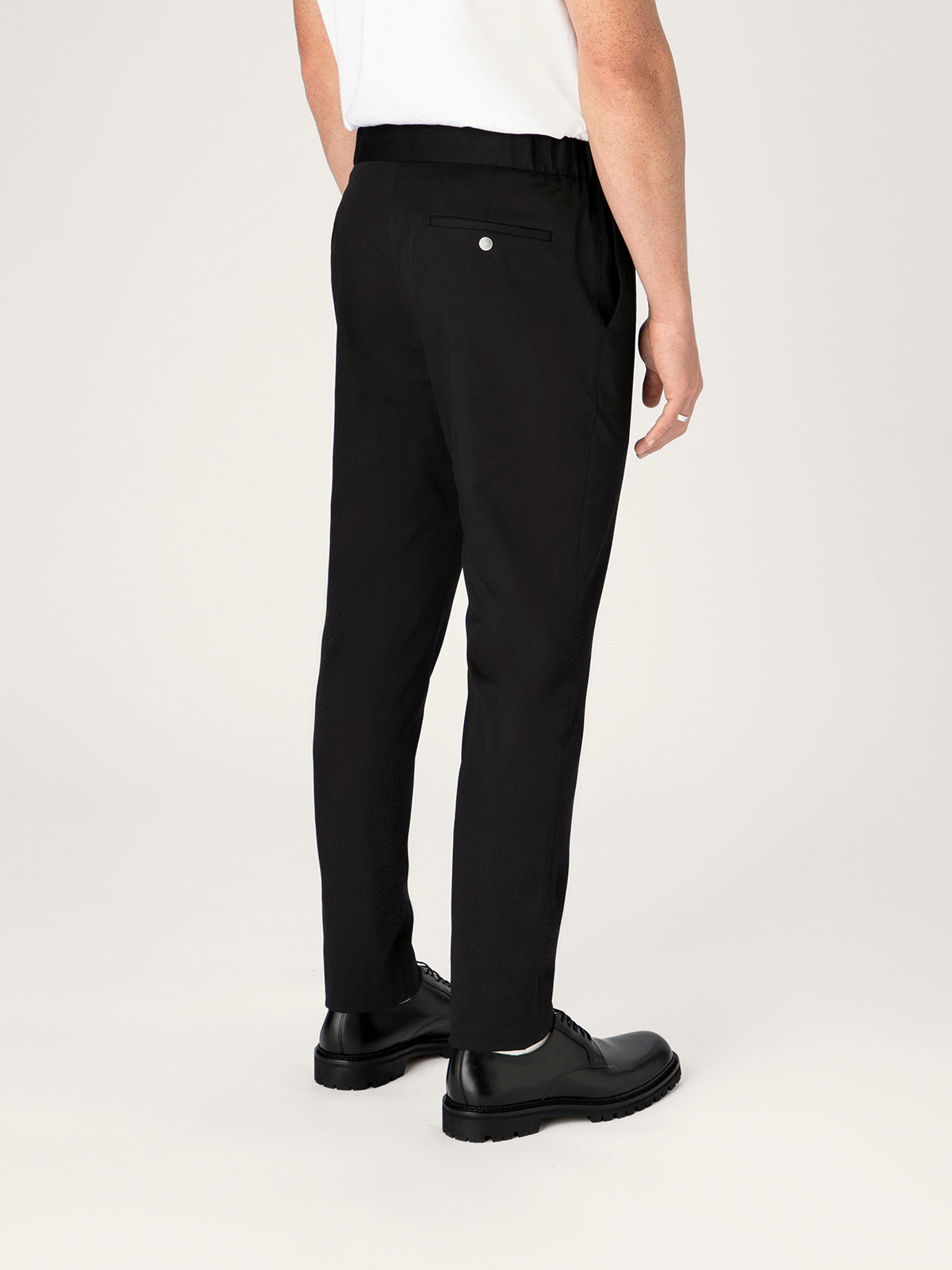
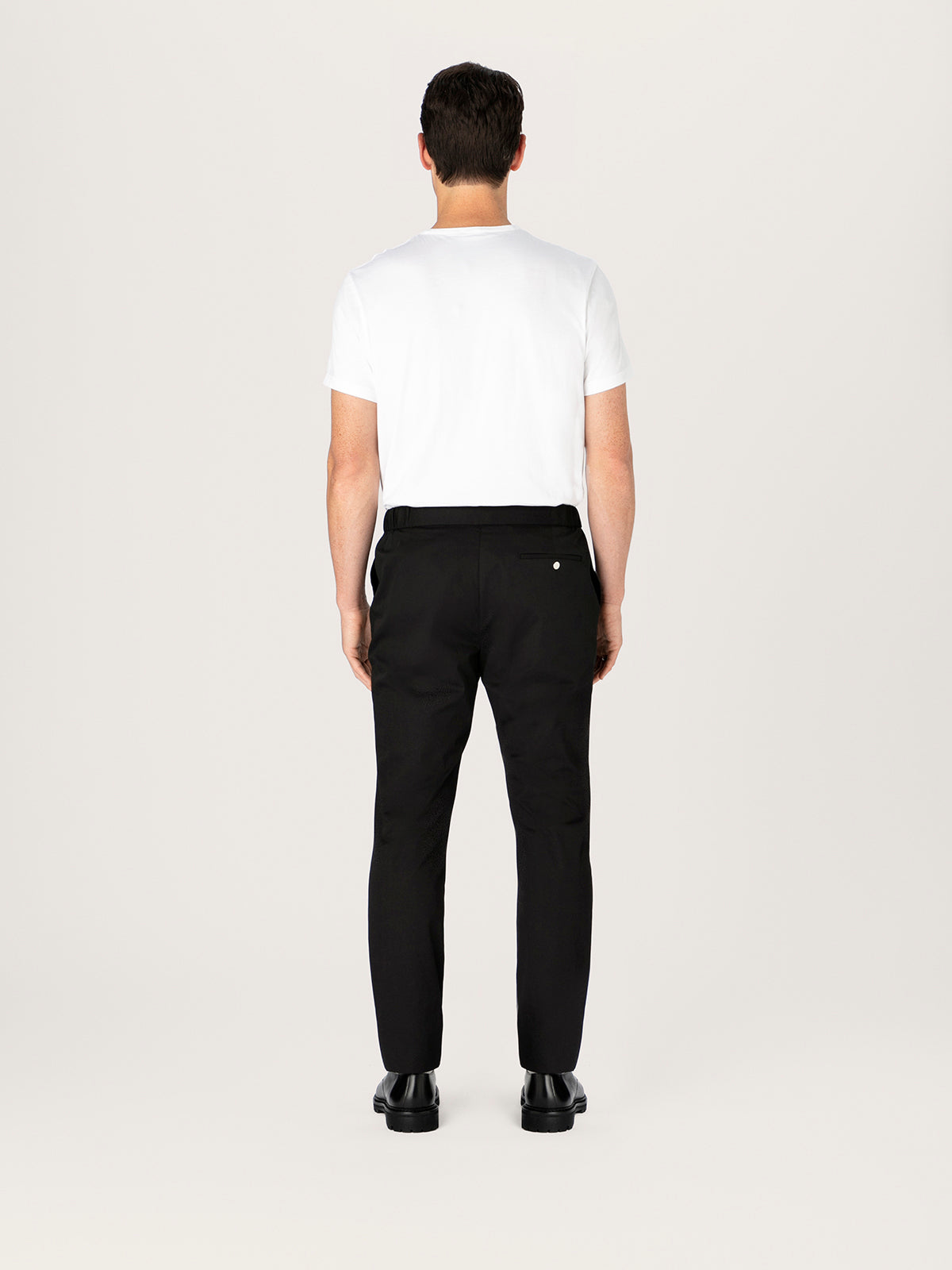
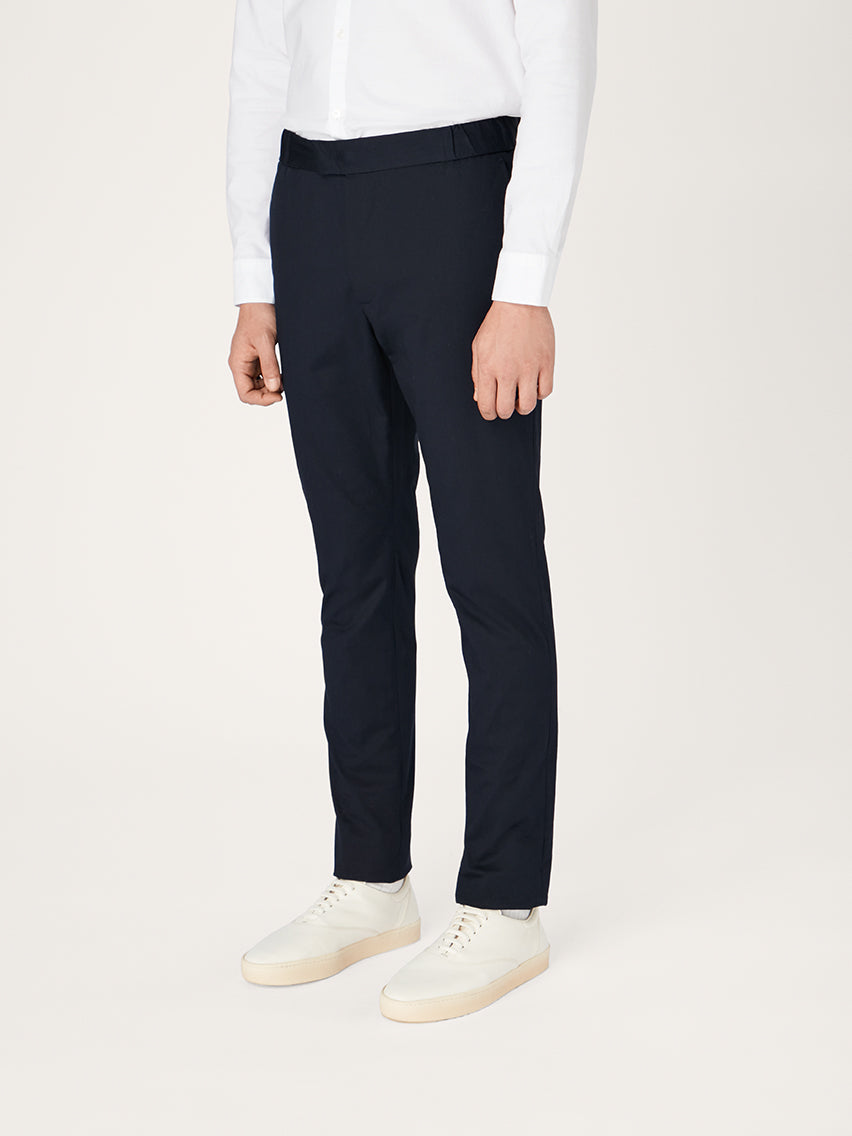
Our original Slim chino renamed Extra Slim, that combines tailoring with jogger-level comfort. The leg is cut narrower through the thigh and calf than the Slim and Regular.
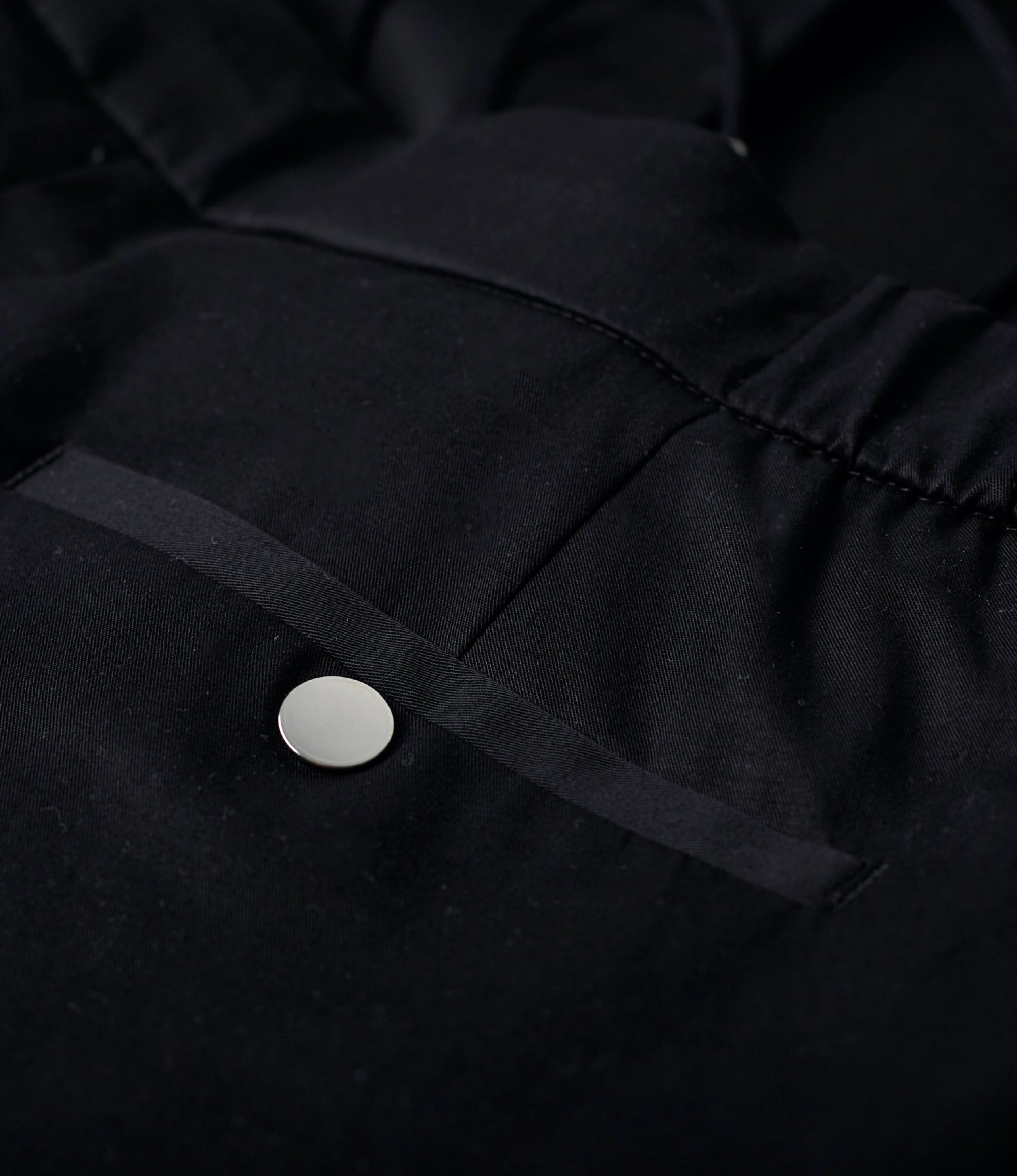
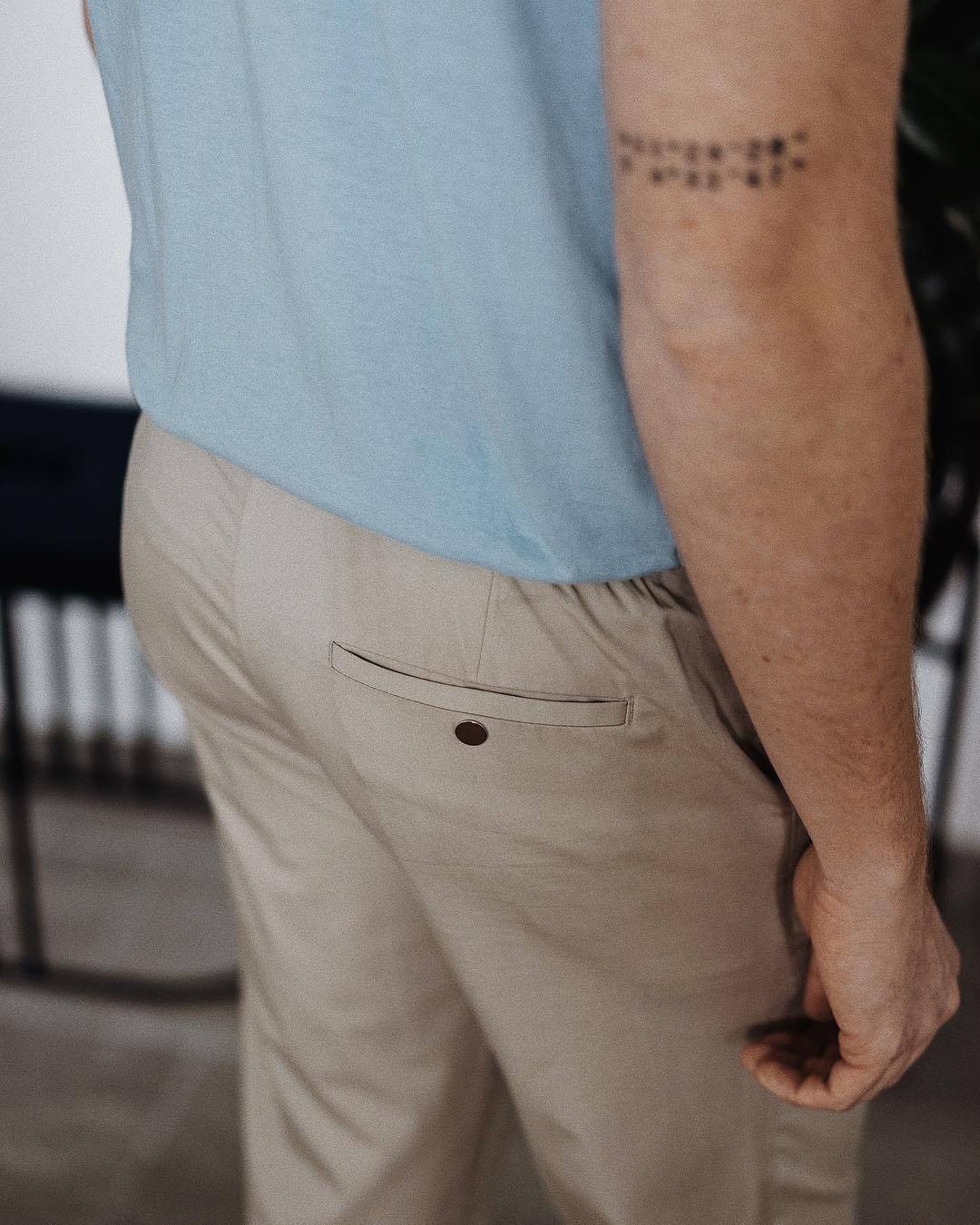
Cut from a stretch regenerative cotton. Designed with a side-elasticated waistband, a hidden hook and bar in place of buttons, and a drawcord finished with our signature brass cord ends. Finished with silver-nickel logo snaps and a blind-stitched hem for a clean, tailored edge. If in between sizes, size up.
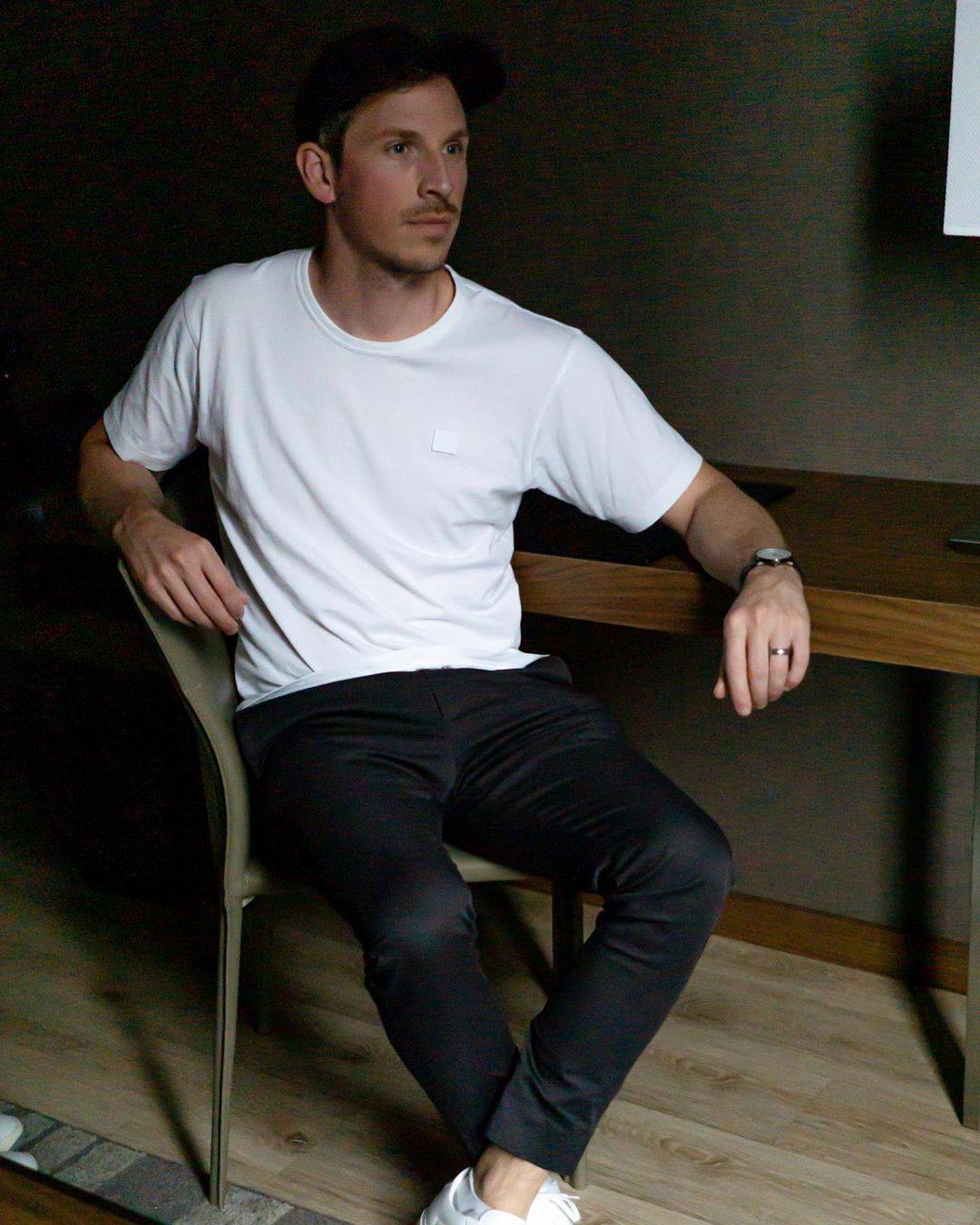
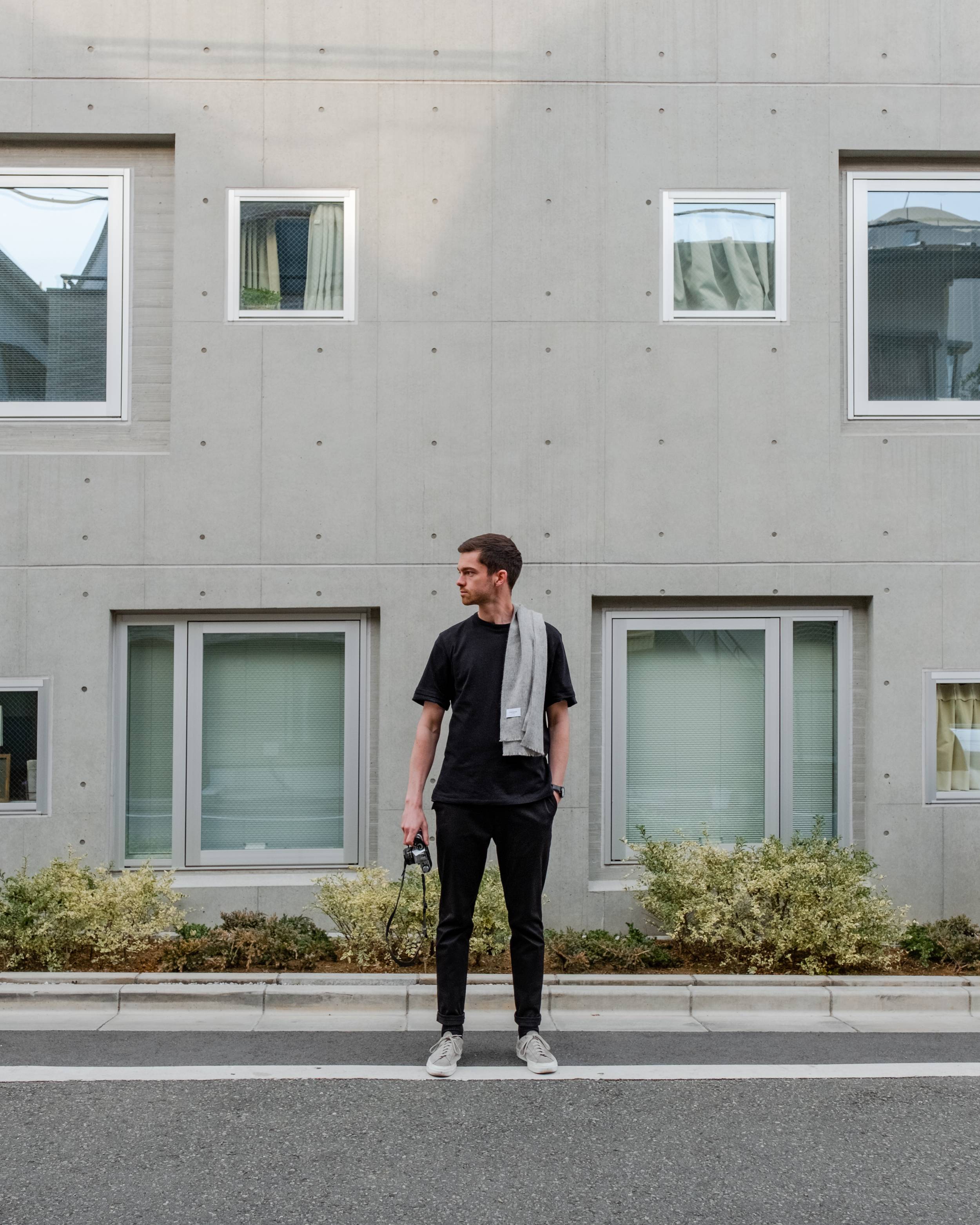
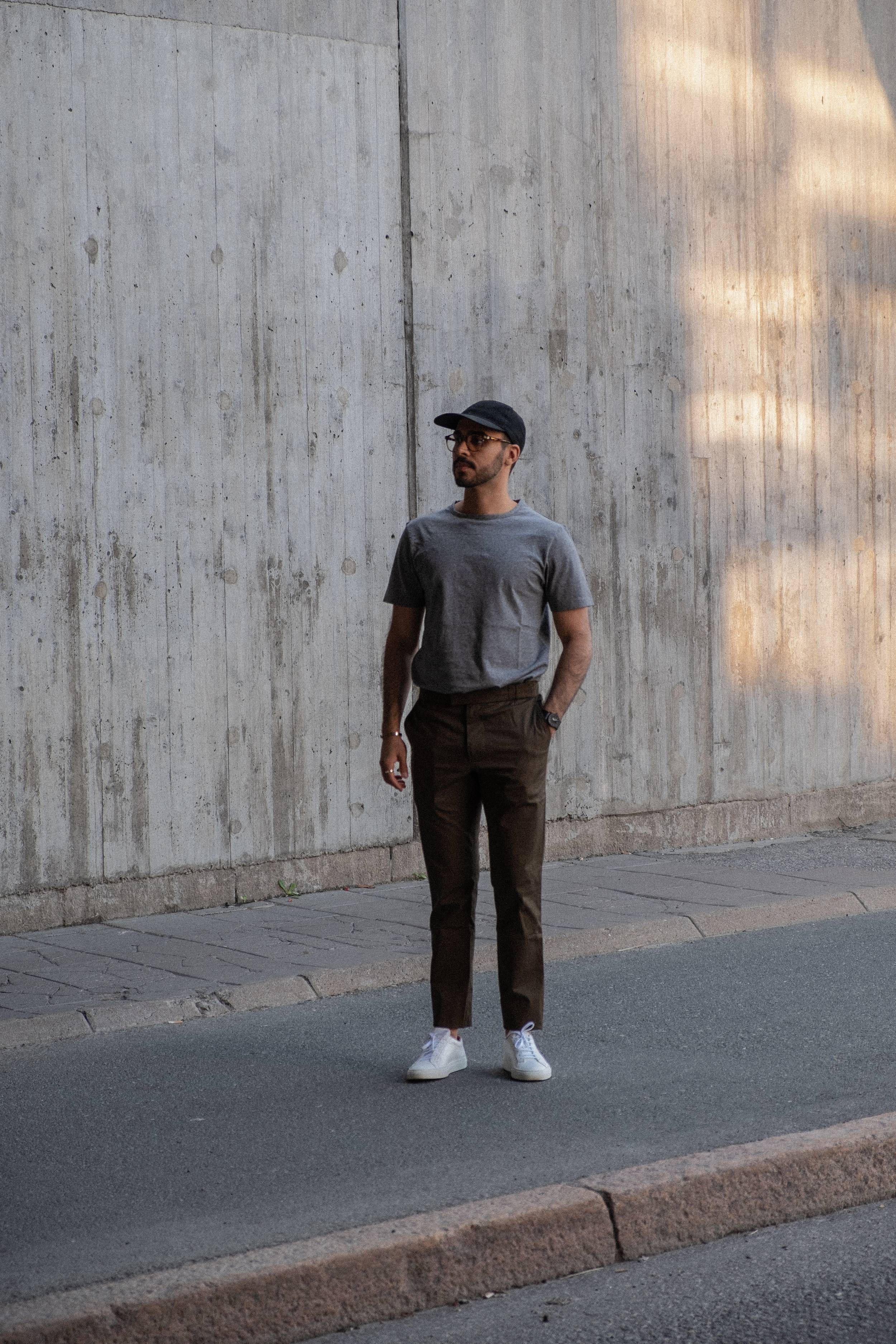
Model wears size L
Model measures: waist size 32.5", height 6'







The only trouser you'll want to wear
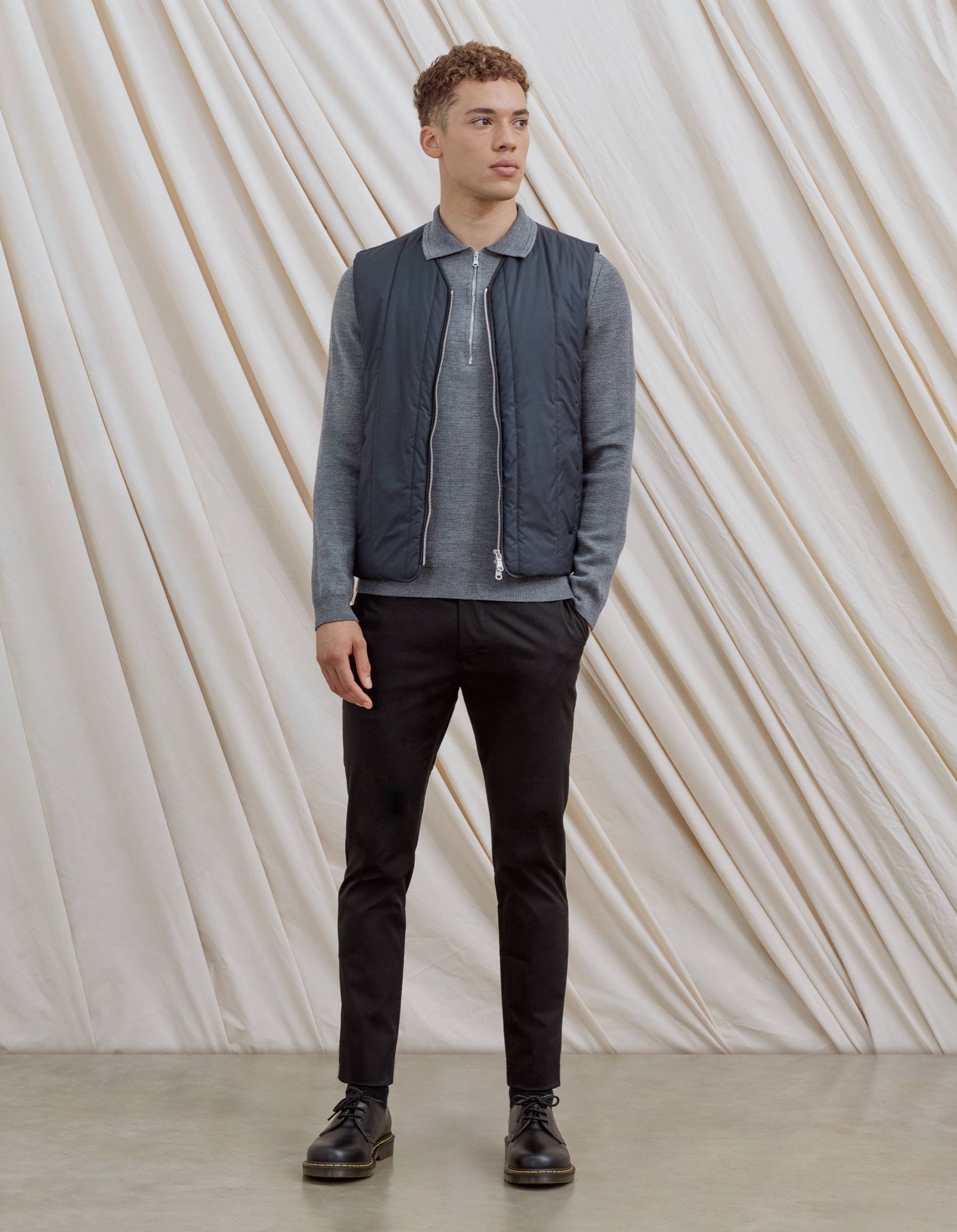
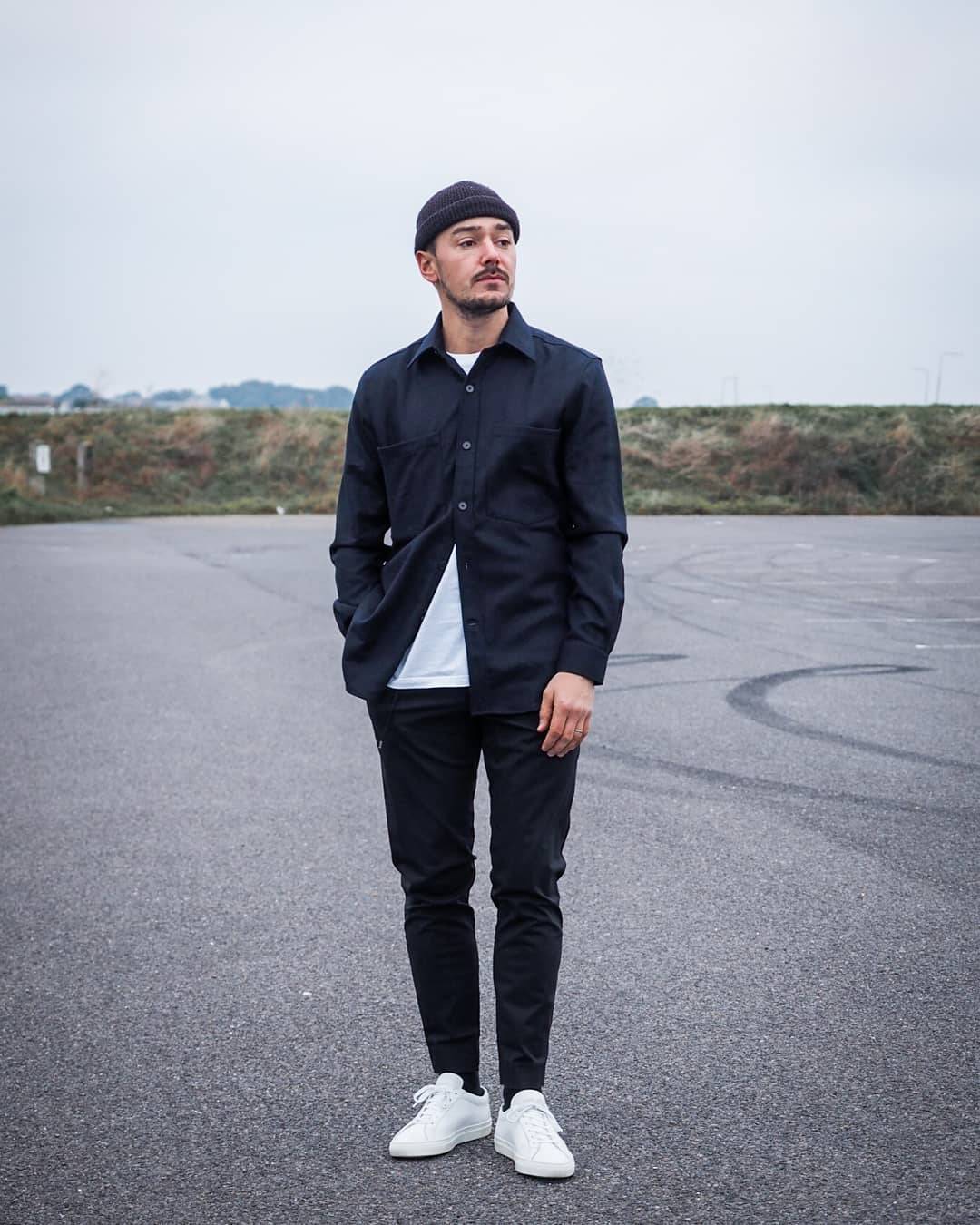
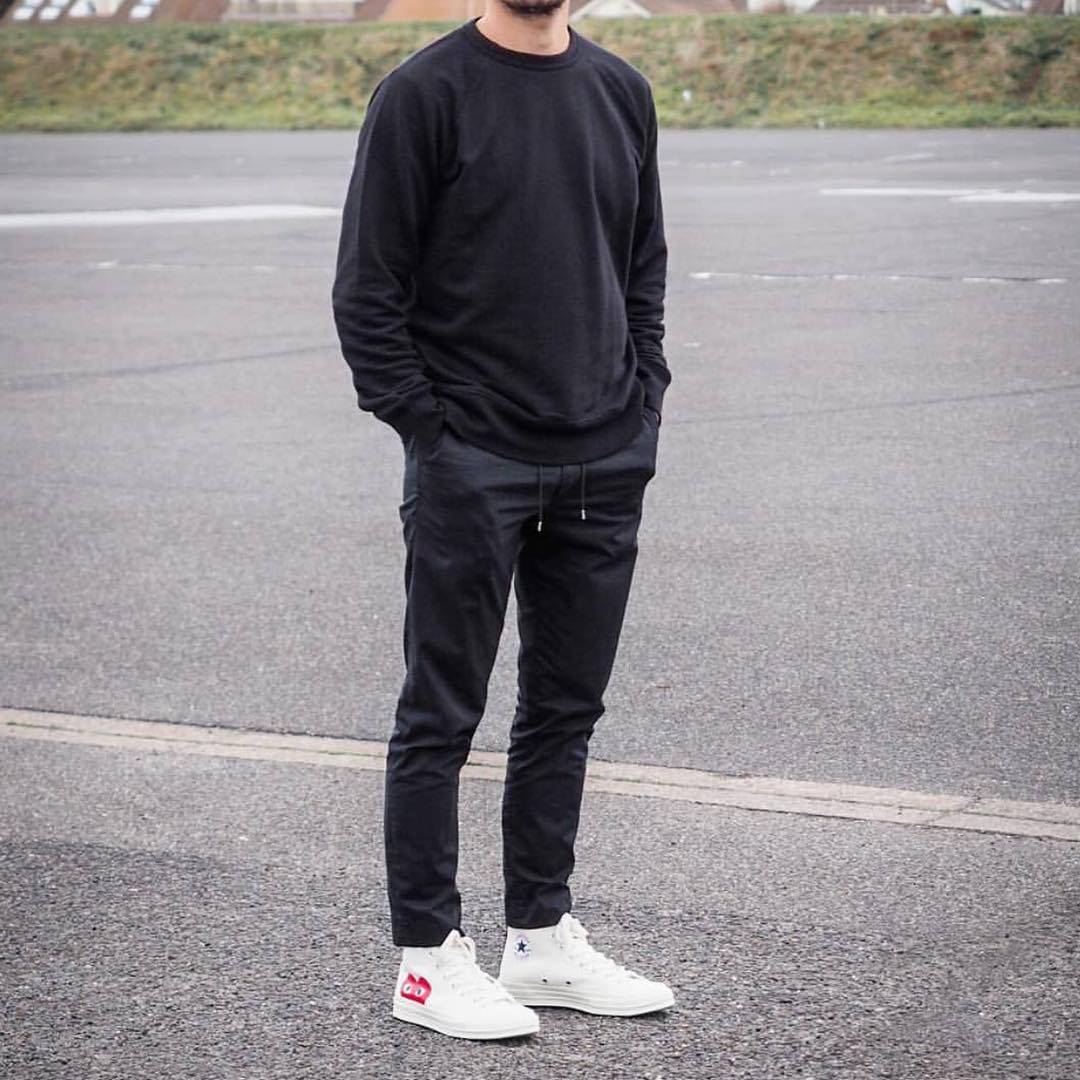
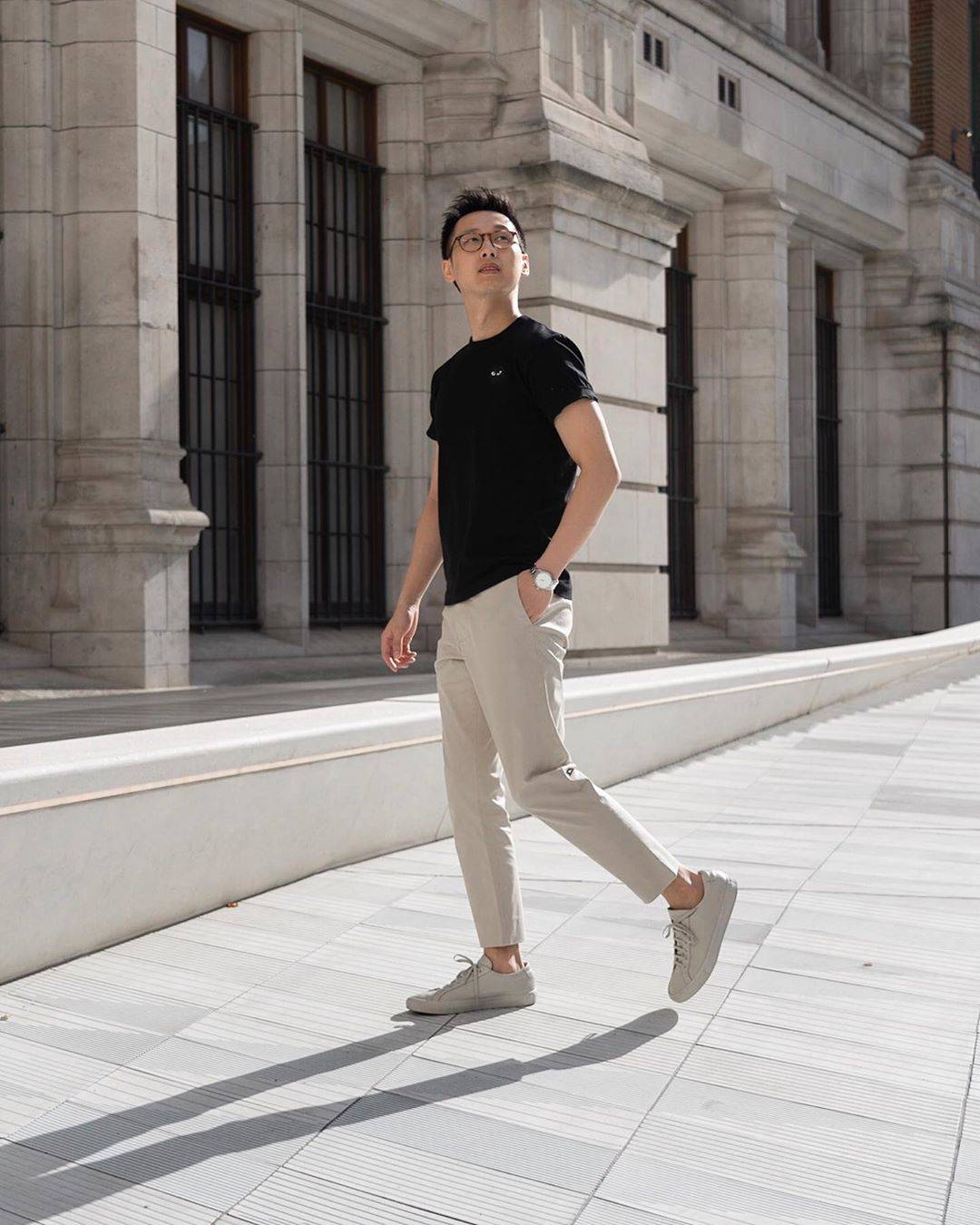
One trouser, limitless combinations
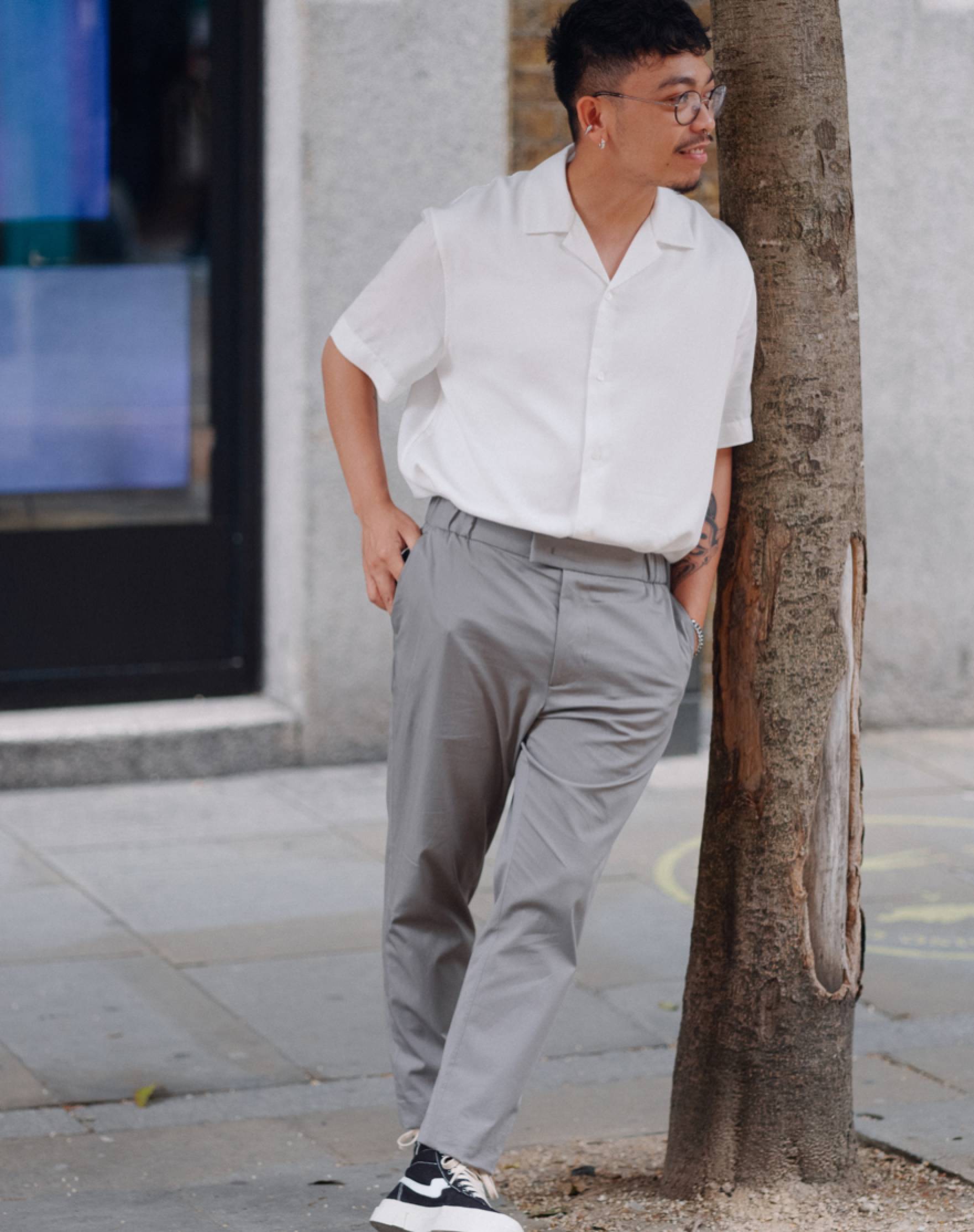
Wearable as a suit pant or as a jean alternative, the 24 Trouser fits in any situation you need it to.
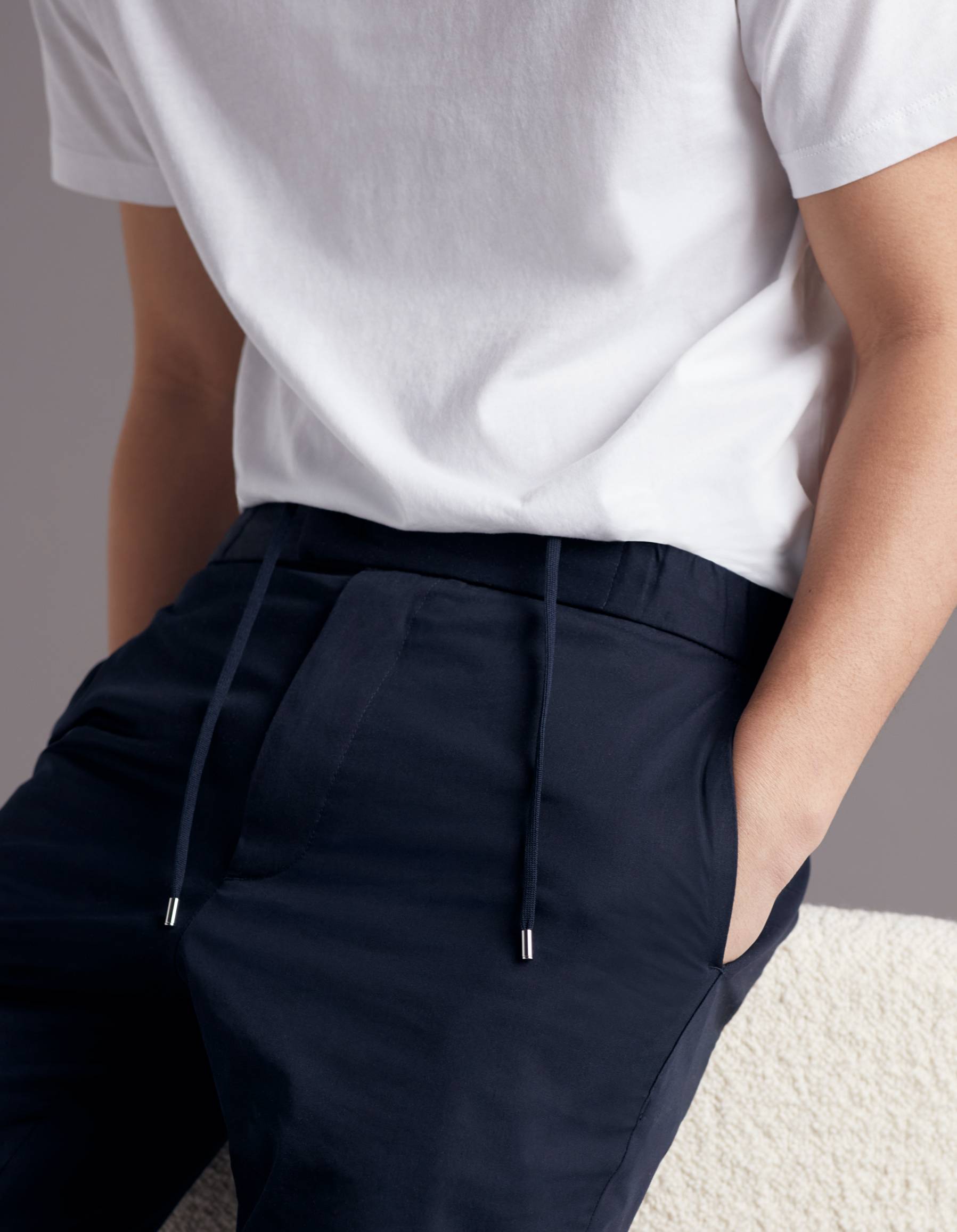
Where comfort meets fit
Our signature hidden elastic waistband allows for a comfortable fit and added movement.
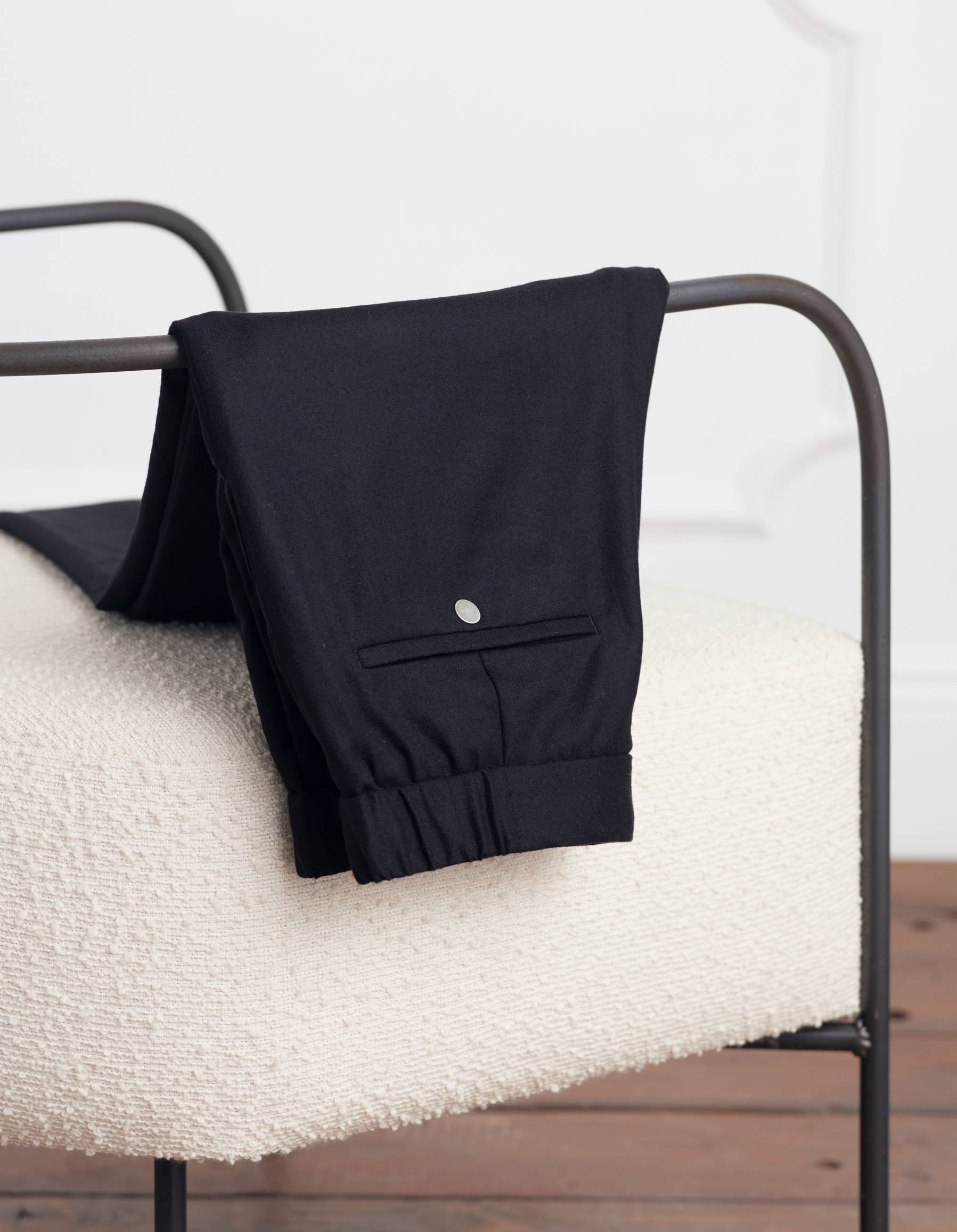
As soft as a cloud
Smooth, breathable stretch cotton means you can wear the 24 Trousers in any setting with complete ease.
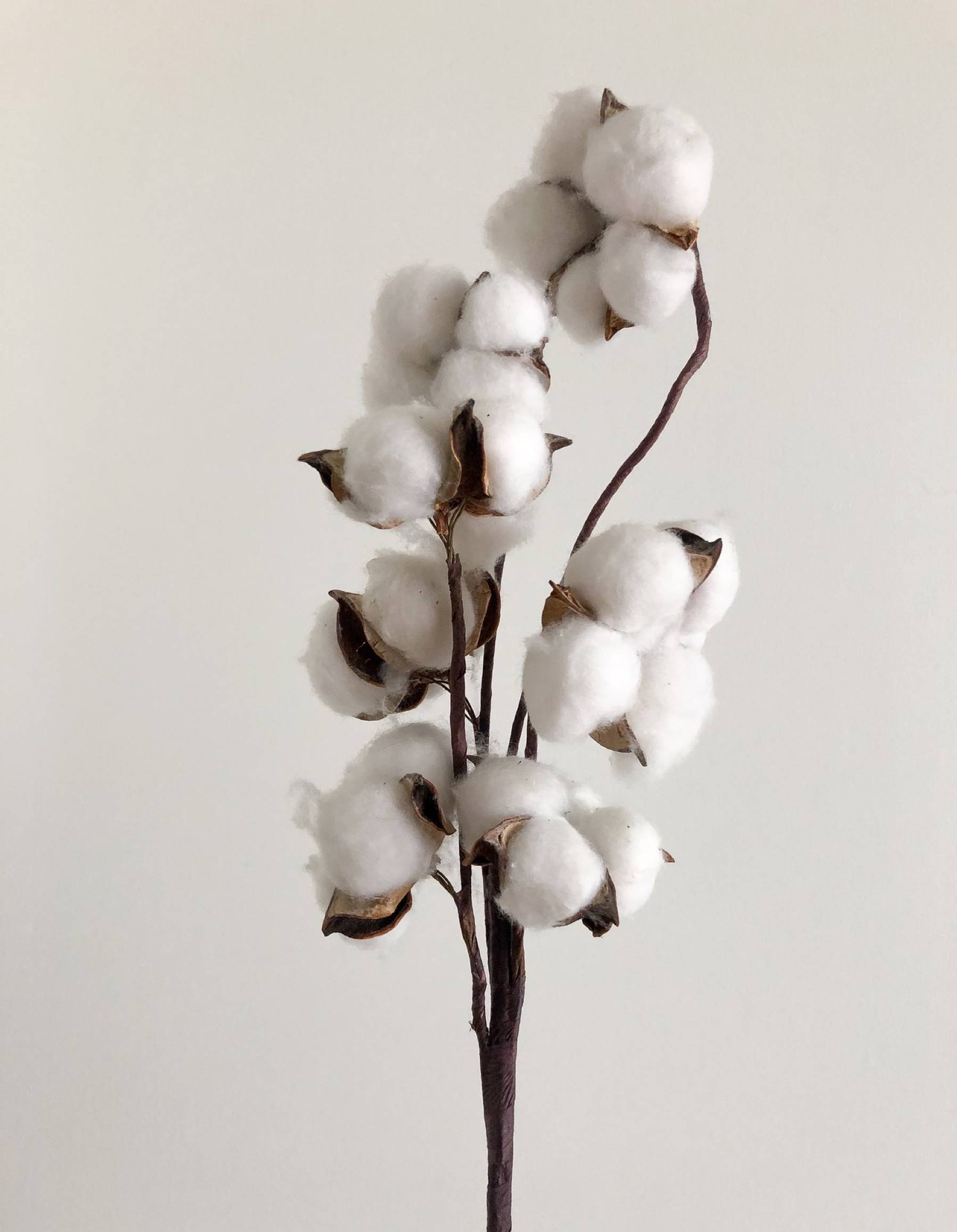
Made in Italy with organic cotton
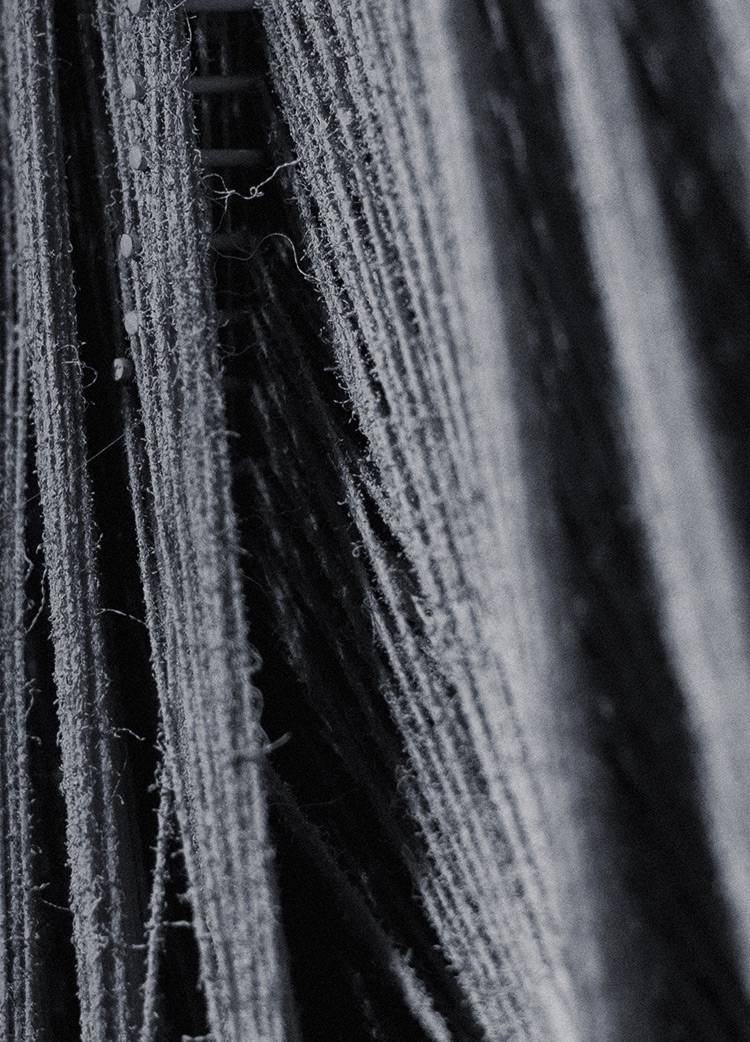
A custom-made fabric built in partnership with our Italian mill renowned for their artisanal craftsmanship.
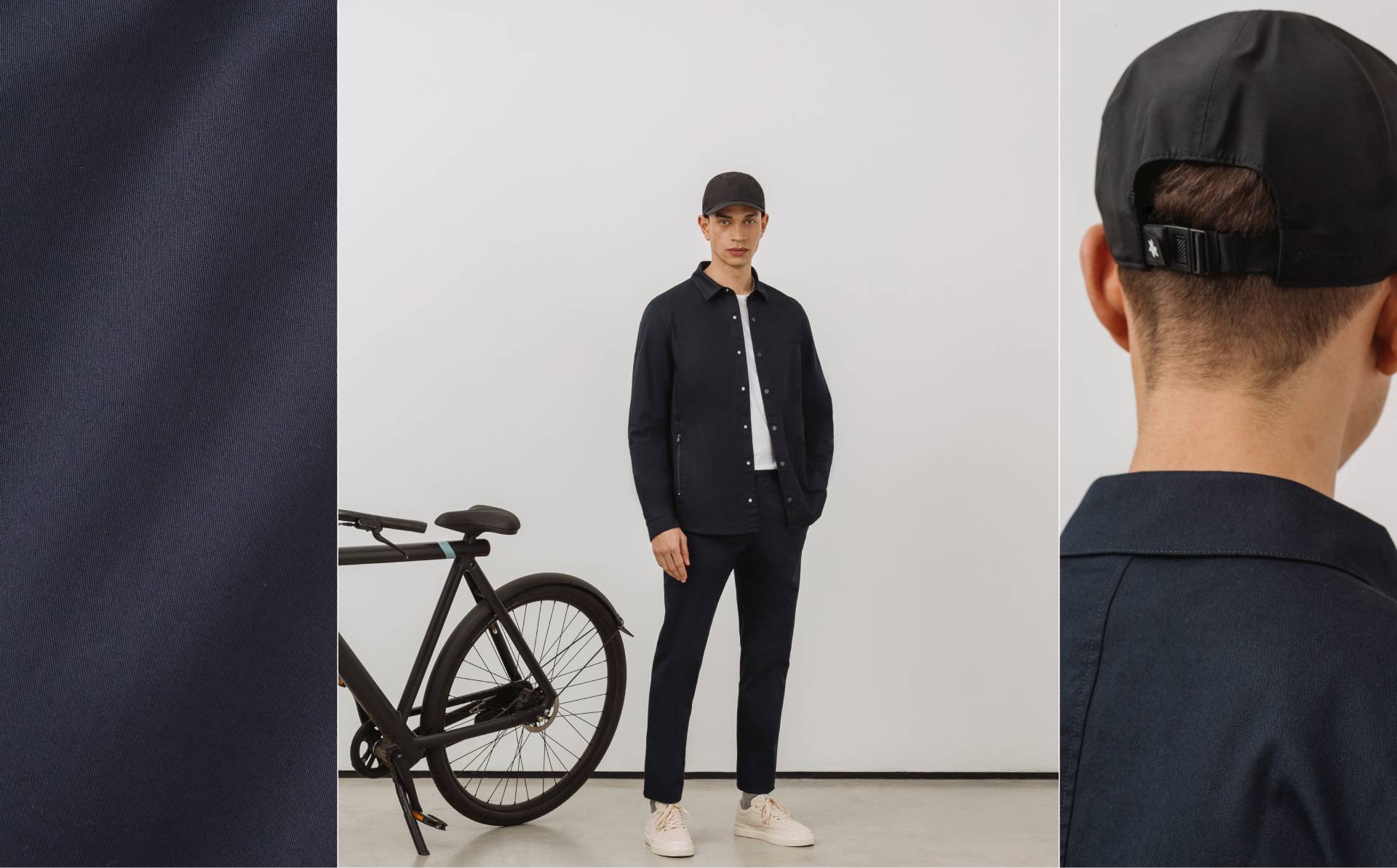
Build your modular wardrobe
Discover a versatile range of essentials for seamless and effortless dressing.
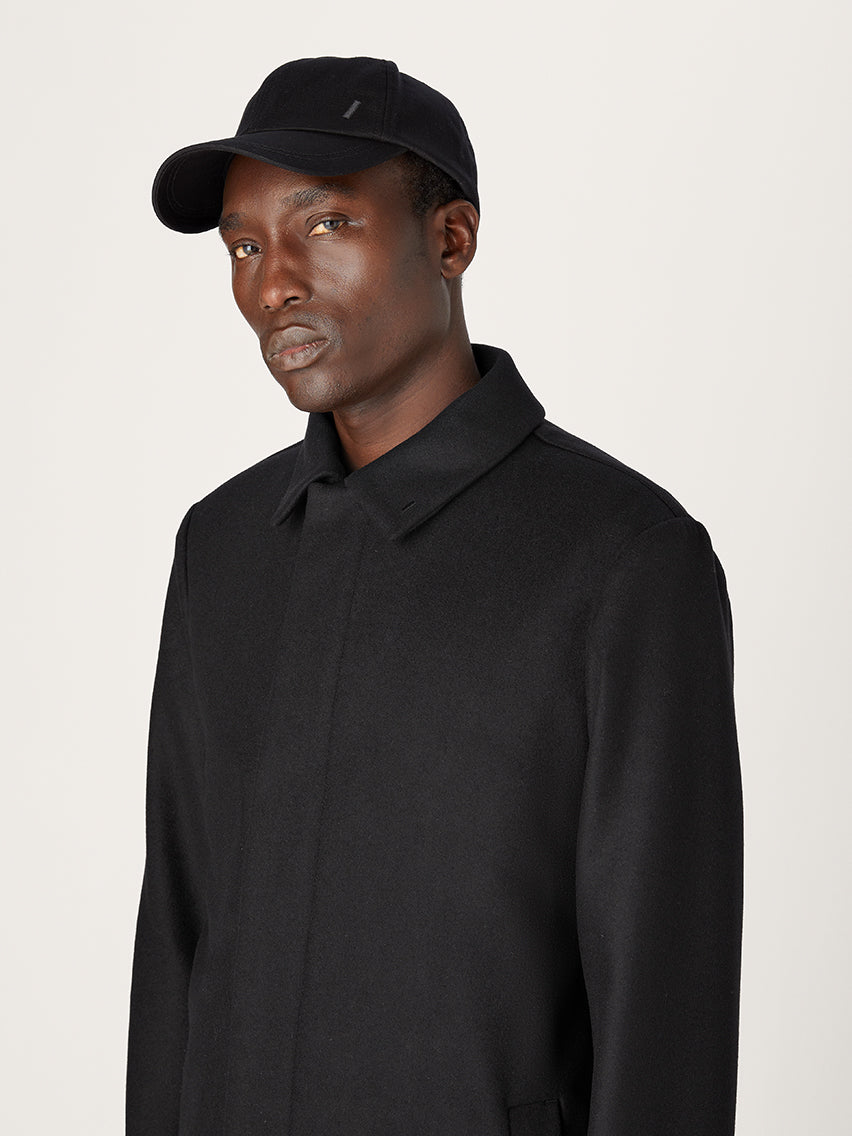
How it's worn





Innovation
Regenerative cotton
L’Estrange made a massive commitment in 2023 and switched to regeneratively farmed cotton for our 24 Trouser and overshirts. We partnered with Scheffer, one of Brazil's largest farms, that transitioned their entire cotton crop to regenerative practices certified under the RegenAgri standard. Scheffer practices zero-till and zero-irrigation planting, uses renewable energy, avoids synthetic pesticides, and preserves native vegetation on the estate. The result is that carbon is sequestered into the soil, rather than being released into the atmosphere.
Regenerative Cotton
Regenerative cotton farming methods focus on overall land management and are credited with improving soil health, sequestering carbon, increasing biodiversity, reducing flooding and improving the well being of the farmers, among other benefits. The methods employed are designed to work in harmony with the local environment and include practices such as zero tillage, precision planting, cover crops, natural irrigation and reduced or zero use of pesticides and fertlisers.
With regenerative farming, the outcomes are measured in order to confirm the benefits to the environment and adjusted on an ongoing basis to improve conditions and yield.
We believe that this is currently the best way to farm cotton and it is our overarching goal to move all our cotton to regenerative practices in the future.
Our supply chain tiers
Tier 1
Garment Manufacturing
--
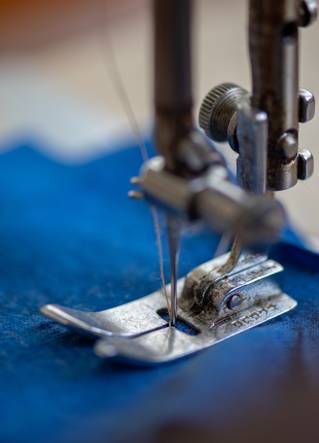
This is the production step that involves final assembly of the garment before it is delivered to our warehouse. This is where most of the social impacts are felt as it is labour intensive and we have 100% visibility of all the factories working at this stage.
Tier 2
Fabric Manufacturing
--
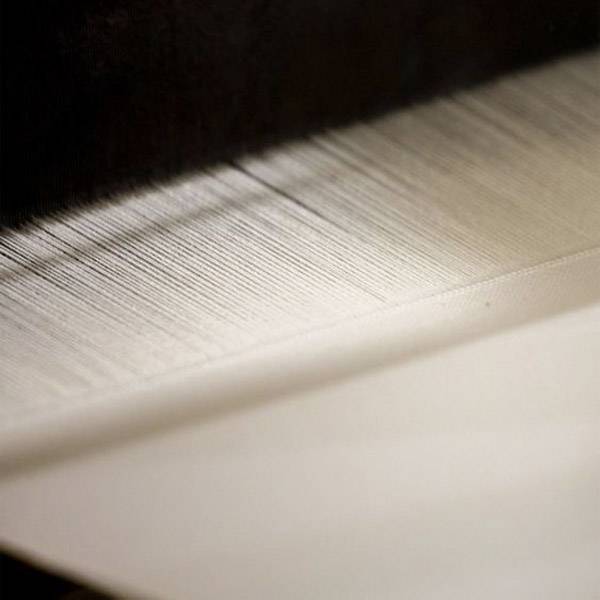
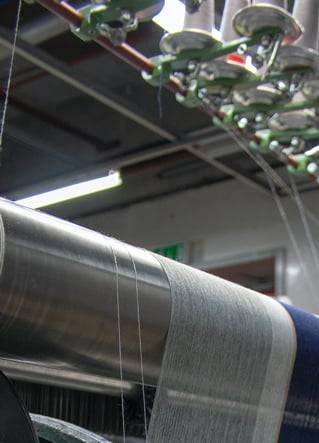
This is the fabric production stage including the construction and dyeing of the fabrics and trims. This is usually where most of the carbon intensity is found as large amounts of energy are required for the production of fabrics. We currently have 88% visibility of the suppliers involved at this stage for our main fabrics.
Tier 3
Yarn Spinning
--
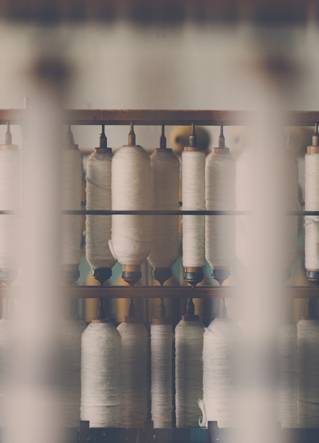
This is where the fibres are spun into yarns, prior to being manufactured into fabrics. This stage is energy intensive and is often done in a unit separate to the tier 2 production. We currently have 47% visibility of the suppliers involved at this stage for our main fabrics.
Tier 4
Fibre Production
--
Depending on the fibre type, this is where fibres are grown, farmed, or manufactured. It is often very difficult to trace the supply chain to this tier however we currently have 25% visibility of the suppliers involved at this stage for our main fabrics.